Sizes of dumpsters: choosing the right fit for your project
7 mins read
Understanding Dumpster Sizes
The sizes of dumpsters typically range from 4 to 40 cubic yards, accommodating a variety of projects, from minor cleanouts to extensive renovations. The most common sizes for residential projects include 10-yard, 20-yard, and 30-yard dumpsters. Each size caters to different volumes of waste, so understanding your project's scope is essential in making the right choice.
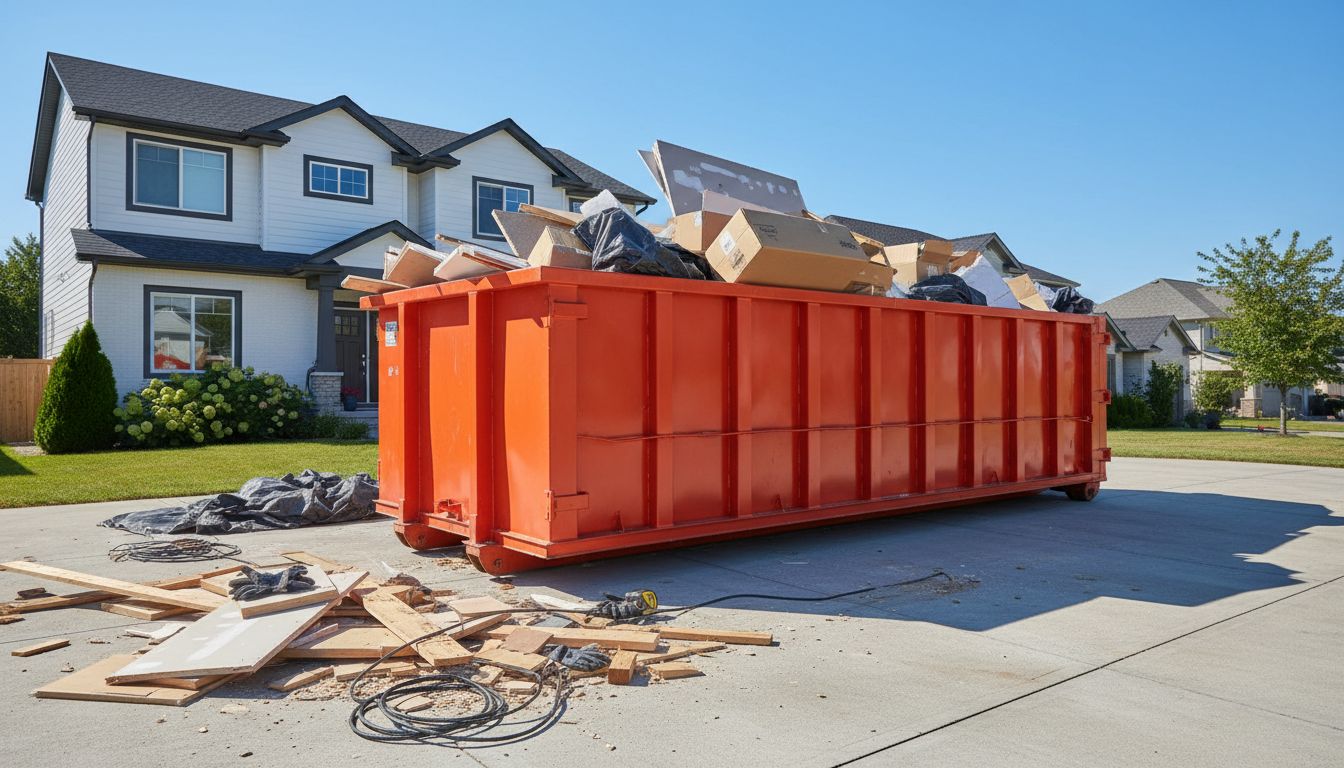
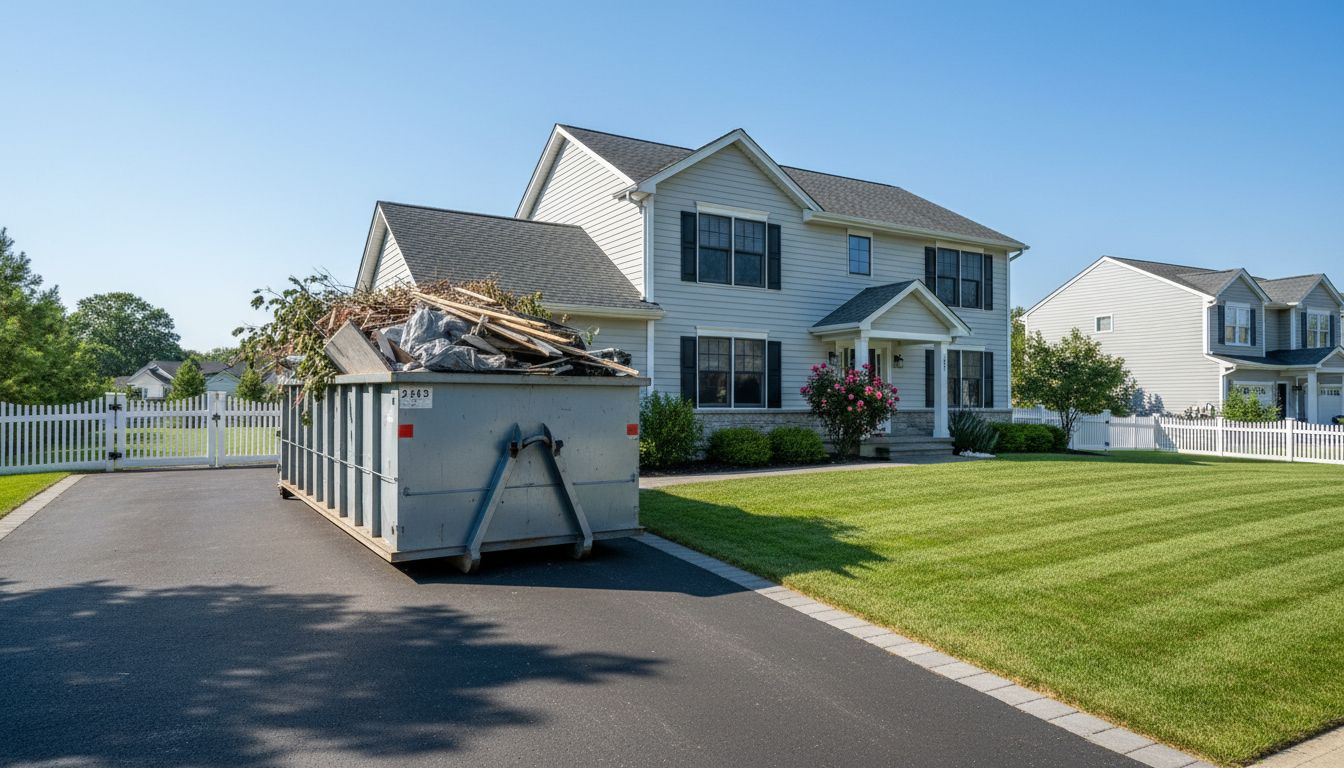
A 10-yard dumpster is often the go-to option for smaller projects. It measures approximately 12 feet long, 8 feet wide, and 4 feet high, making it ideal for small renovations, yard waste, or home cleanouts. This size can hold about three pickup truck loads of debris, which is sufficient for many homeowners tackling minor tasks.
For larger projects, such as significant home renovations or cleanouts, a 20-yard dumpster is typically recommended. This size measures about 12 feet long, 8 feet wide, and 6 feet high, providing ample space for larger volumes of waste. It can accommodate the debris from medium-sized projects, such as kitchen remodels or garage cleanouts.
If your project is extensive, you might need a 30-yard dumpster. This size is approximately 22 feet long, 8 feet wide, and 6 feet high, making it suitable for substantial renovations or construction projects. It can hold debris equivalent to about nine pickup truck loads, making it a practical choice for major undertakings.
Common Questions About Dumpster Sizes
One of the most frequently asked questions is about the most common dumpster size for residential projects. The 10-yard dumpster stands out as the most popular choice, especially for homeowners looking to manage waste from small renovations or cleanouts. It's essential to evaluate the volume and weight of your waste before making a decision. Choosing a dumpster that is too small can lead to additional trips, which can increase costs and prolong your project timeline.
Another common inquiry is whether renting a dumpster is more economical than making multiple trips to the dump. Generally, renting a dumpster proves to be more cost-effective for larger projects. It eliminates the need for fuel costs and saves time, not to mention the potential dump fees that can add up. Assessing the volume of waste generated by your project will help you determine the most economical option.
Visualizing Dumpster Sizes
Understanding what a 4-yard dumpster looks like can also help in making an informed decision. This size is typically about 5 feet long, 3 feet wide, and 3 feet high, resembling a small box. It's suitable for home cleanouts or small renovation projects. If you're unsure about the size you need, visualizing these dimensions can provide clarity.
On the other hand, a 20-cubic-foot dumpster is larger and measures around 12 feet long, 8 feet wide, and 4 feet high. This size is ideal for medium-sized projects, such as home renovations or cleanouts. Knowing the dimensions can help you gauge whether you have enough space on your property for the dumpster and how much waste it can accommodate.
Choosing the Right Size for Your Project
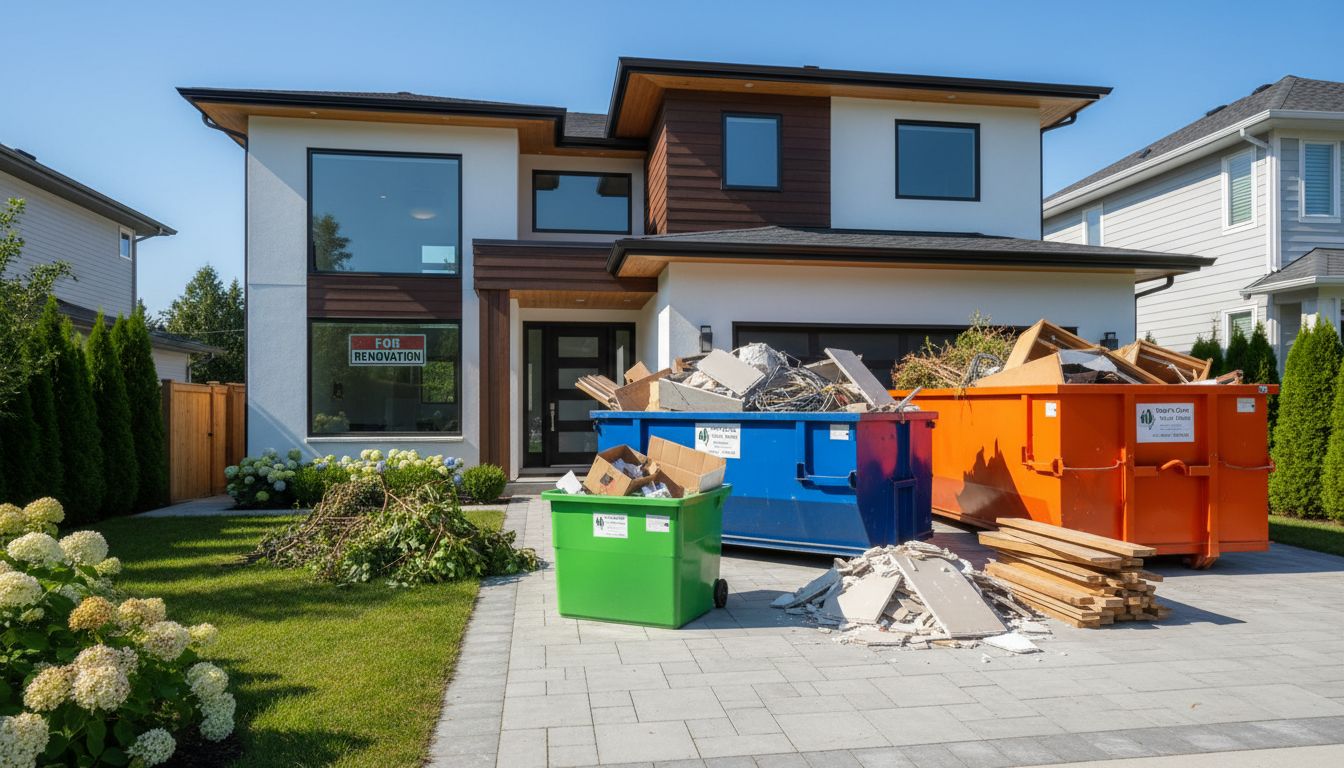
Determining the appropriate dumpster size for a home renovation is crucial. Typically, a 10 to 20-yard dumpster suffices, depending on the scale of the project. A 10-yard dumpster is ideal for smaller updates, while a 20-yard dumpster can handle larger renovations. It's advisable to assess the volume of debris you'll generate and consult with your local rental service for tailored advice. They can provide insights based on your specific project needs.
For larger renovations or cleanouts, a 30-yard dumpster may be necessary. This size is particularly useful for extensive home remodels or construction projects where debris accumulation is significant. Understanding your project's scope and potential waste volume will guide you in selecting the right dumpster size.
Factors Influencing Dumpster Rental Costs
When considering dumpster rental, several factors influence pricing. The size of the dumpster is a primary determinant, with larger sizes typically costing more. Additionally, the rental period can affect the overall cost. Most companies offer flexible rental periods, but extending your rental beyond the agreed timeframe may incur additional fees.
Placement of the dumpster is another factor to consider. If you have limited space on your property, you may need to arrange for a permit, which can add to the overall cost. It's essential to check with your local regulations regarding dumpster placement to avoid any unexpected fees or complications.
Prohibited items also play a role in the rental process. Most dumpster rental companies have guidelines regarding what can and cannot be disposed of in their dumpsters. Hazardous materials, electronics, and certain types of construction debris may require special handling. Familiarizing yourself with these regulations can help you avoid additional charges or complications during the rental period.
Delivery and Pickup Considerations
When renting a dumpster, understanding the delivery and pickup process is vital. Most rental companies will deliver the dumpster to your specified location at a scheduled time. It's crucial to ensure that the delivery area is accessible and free from obstacles to facilitate a smooth drop-off.
Once your project is complete, you can schedule a pickup. Depending on the rental company, you may have the option to extend your rental period if needed. It's advisable to communicate with the rental service regarding your timeline to ensure that the dumpster is picked up promptly after your project concludes.
In summary, selecting the right dumpster size for your project involves careful consideration of your waste volume, project scope, and specific needs. Understanding the various sizes of dumpsters available, along with the factors influencing rental costs and the delivery process, will help you make an informed decision that enhances your project's efficiency.