Rental waste container: tips for choosing the right size for your project
7 mins read
Understanding Dumpster Sizes
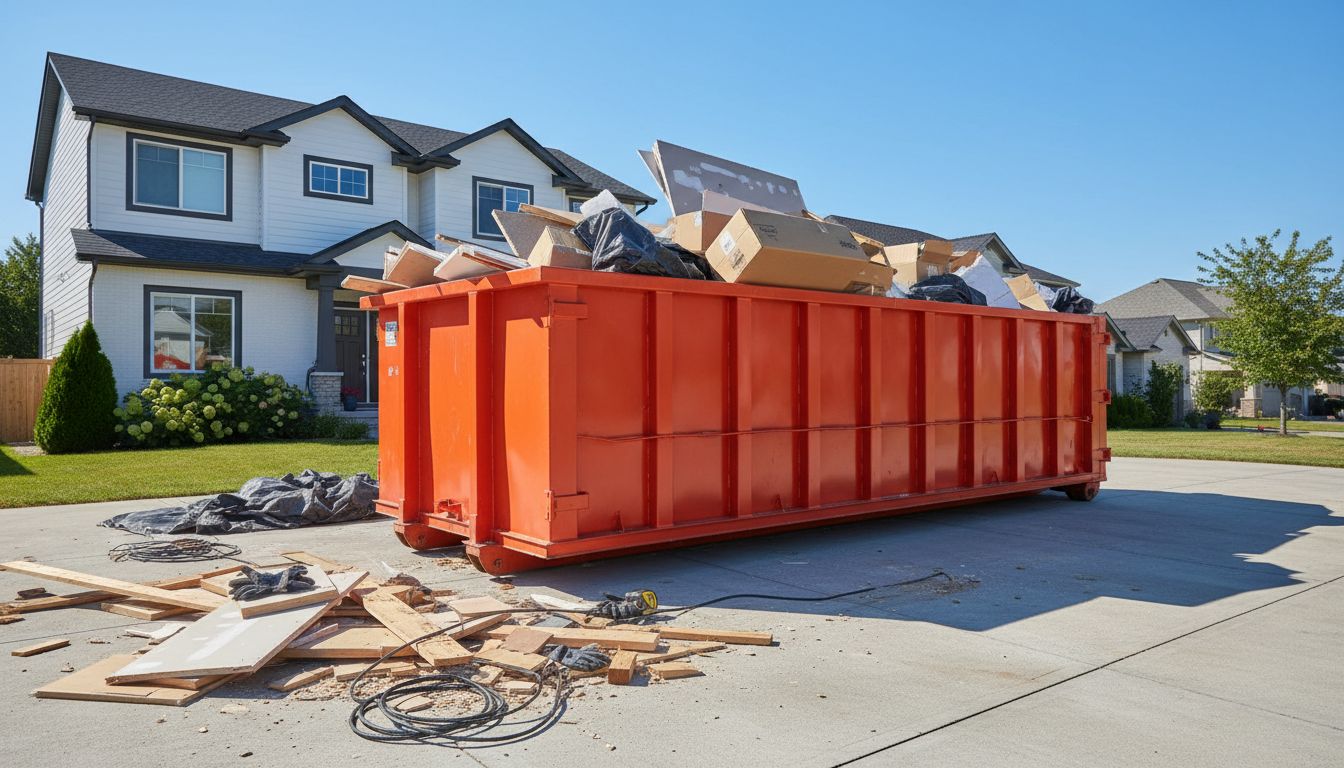
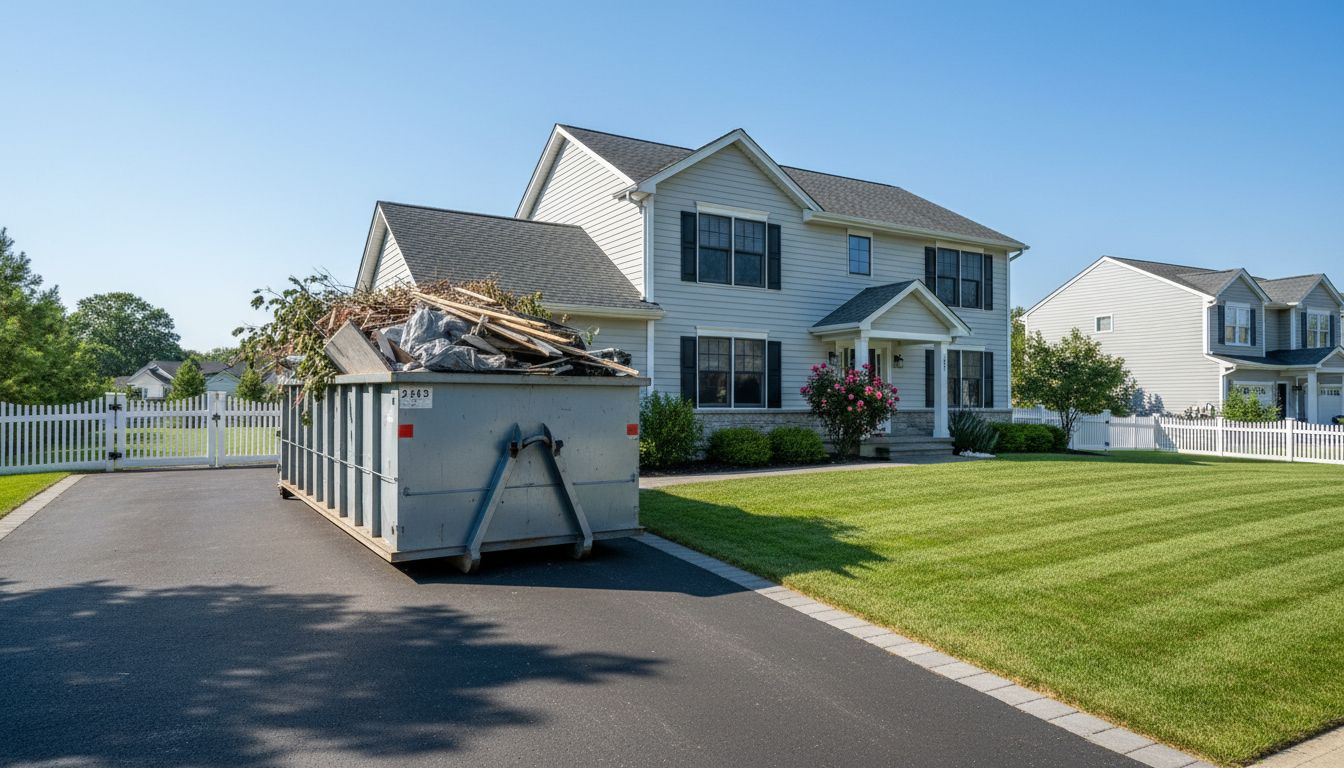
Rental waste containers come in various sizes, typically measured in cubic yards. Common sizes include 10, 15, 20, 30, and even 40 cubic yards. A 10-yard dumpster is ideal for small projects, such as cleaning out a garage or doing minor renovations. In contrast, a 30-yard dumpster is better suited for larger projects, like major home renovations or construction debris.
To determine the right size, start by estimating the volume of waste your project will generate. For example, a standard bathtub takes up about 3 cubic yards of space, while a typical kitchen remodel might need a 15 to 20-yard container. It’s essential to discuss your project with your local dumpster rental service to get tailored advice on the appropriate size.
Pricing Factors for Rental Waste Containers
Understanding the costs associated with renting a dumpster is crucial for budgeting your project. The cheapest dumpster rental typically starts around $200 for a small, 10-yard container. However, prices can vary significantly based on location, type of waste, and rental duration.
When comparing prices, consider additional fees that may apply. Many rental companies charge for weight limits, and exceeding these limits can lead to extra costs. It's also essential to inquire about delivery and pickup fees, which can vary by provider. To get the best deal, take the time to compare local providers and understand their pricing structures.
Evaluating Project Needs and Size
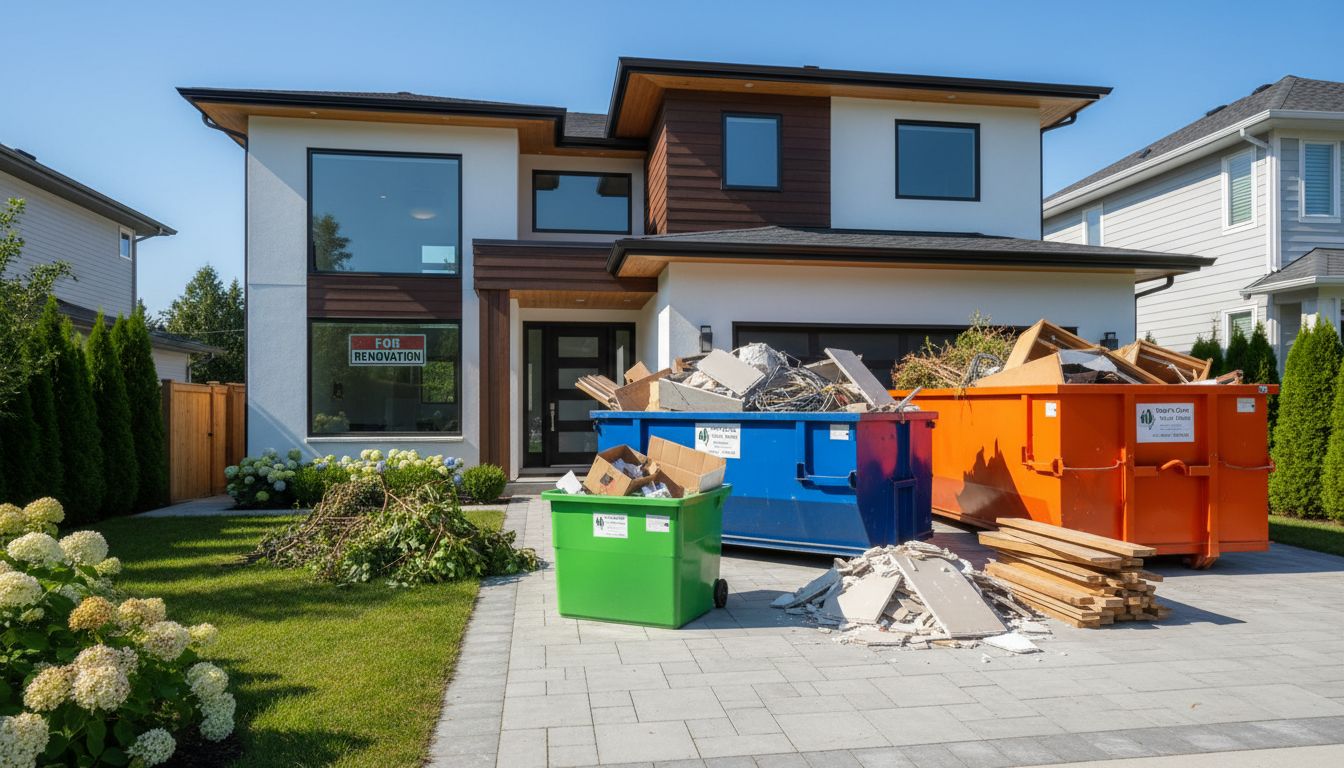
The size of the dumpster you need often correlates directly with the scope of your project. For home renovations, a 10 to 20 cubic yard rental waste container is usually sufficient. Smaller jobs may require less space, while larger renovations or construction projects might necessitate more substantial containers.
For instance, if you’re planning a bathroom remodel, a 10-yard dumpster might suffice. However, if you’re tackling a full kitchen renovation or a roof replacement, consider a 20 or even 30-yard dumpster. Always consult with your rental service to ensure you select the appropriate size, as underestimating can lead to additional costs if you need to rent a second container.
Rental Period and Flexibility
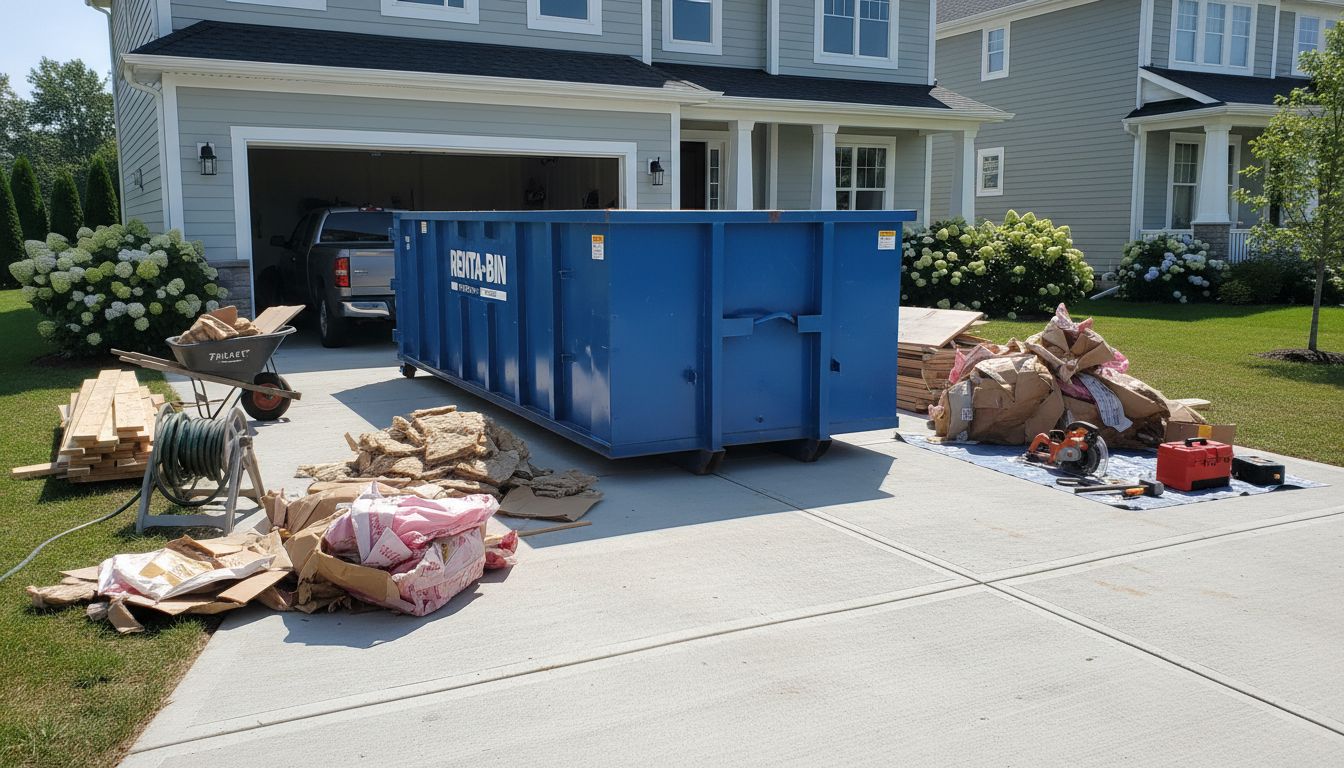
The rental period for a dumpster can vary widely depending on your project and the policies of the rental company. Typically, you can keep a rented dumpster for a period ranging from a few days to a week. Some companies offer flexible rental options, allowing you to extend your rental period if needed.
When planning your project timeline, factor in the time required for loading the dumpster. If you anticipate needing more time, discuss this with your rental provider upfront to avoid any unexpected fees. Additionally, consider the timing of your project in relation to local waste services, as some areas may have specific pickup schedules.
Permits and Regulations
In some cases, you may need a permit to place a rental waste container on public property, such as a street or sidewalk. Local regulations can vary, so it’s essential to check with your city or county to determine if a permit is necessary.
If your project requires a permit, your dumpster rental service may be able to assist you in obtaining one. They often have experience navigating local regulations and can provide guidance on the necessary steps. Failing to secure the proper permits can result in fines or delays in your project, so it’s worth taking the time to ensure compliance.
Prohibited Items and Disposal Guidelines
When renting a dumpster, it’s crucial to understand what you can and cannot dispose of in the rental waste container. Most rental companies have guidelines regarding prohibited items, which often include hazardous materials like chemicals, batteries, and certain types of electronics.
Before loading your dumpster, review these guidelines to avoid potential fines or complications. If you have items that fall into the prohibited category, consider alternative disposal methods, such as local hazardous waste collection events. Being aware of these restrictions can help streamline your cleanup process and ensure you stay within the regulations set by your rental service.
Choosing the right rental waste container involves careful consideration of your project’s specific needs, including size, pricing, rental duration, and disposal regulations. By taking the time to evaluate these factors, you can make an informed decision that will facilitate a smooth and efficient cleanup process.