Dumpster Sizes: Choosing the Right One for Your Home Renovation
7 mins read
Understanding Standard Dumpster Sizes
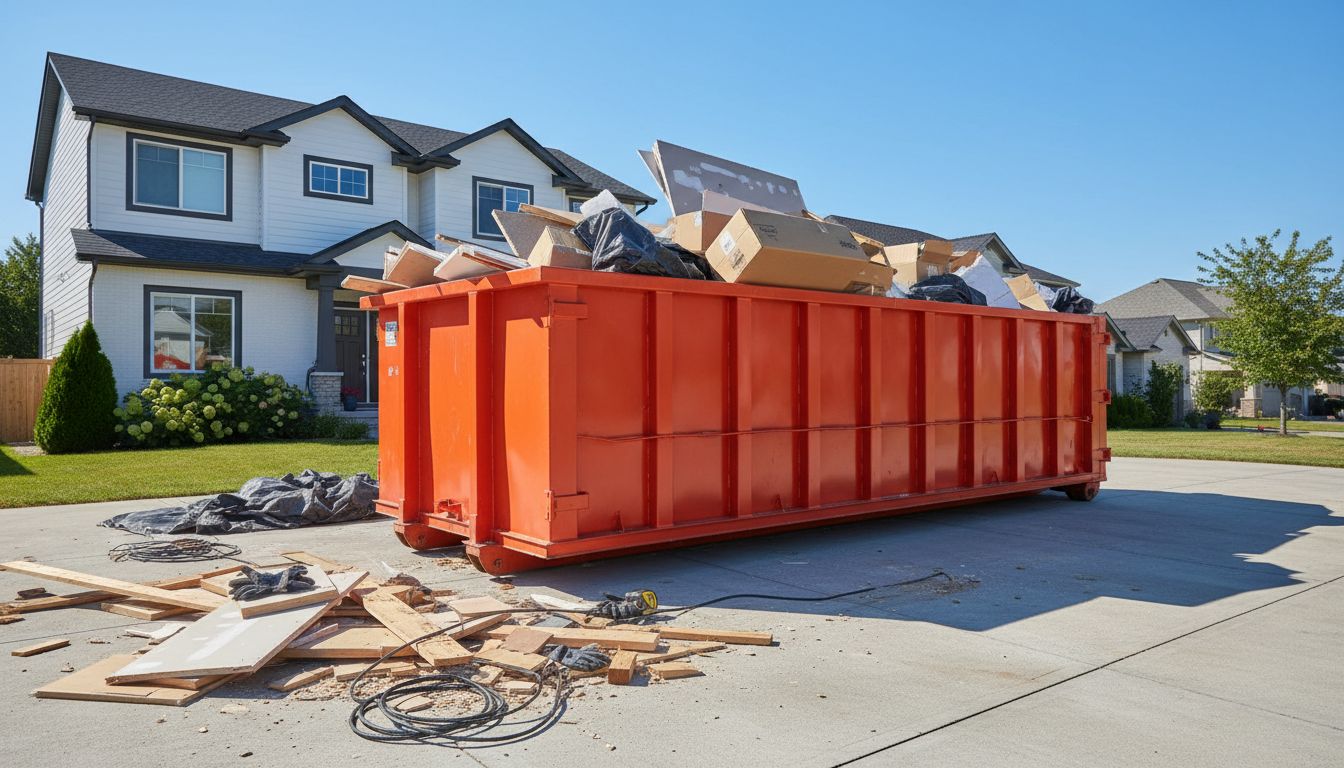
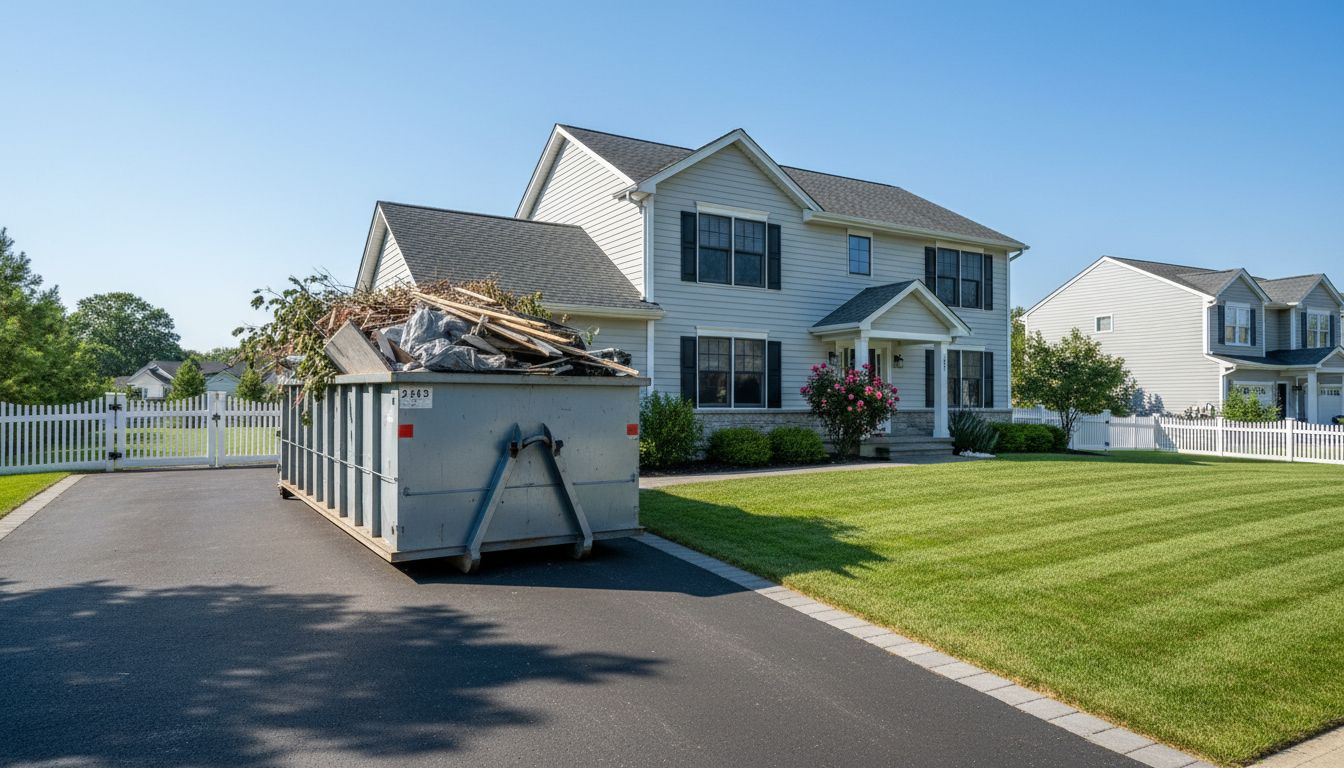
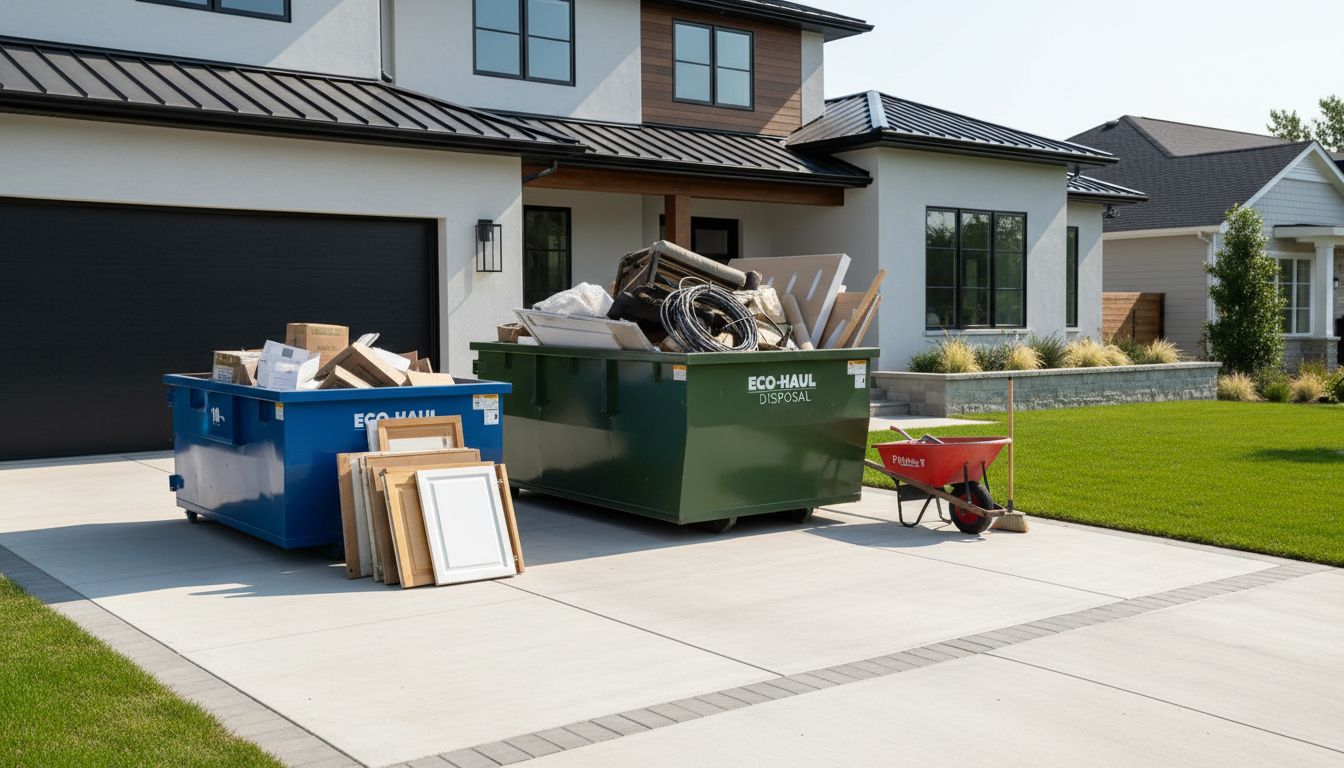
Standard dumpster sizes typically range from 10 to 40 cubic yards. For smaller projects, such as home cleanouts or minor renovations, a 10 or 15-yard dumpster may suffice. These smaller sizes are ideal for disposing of items like old furniture, appliances, or yard waste. On the other hand, larger projects, such as extensive remodels or construction jobs, may require a 20 to 40-yard dumpster.
The choice of dumpster size is crucial. If you underestimate your needs, you may find yourself with overflow, leading to additional rental costs or trips to the dump. Conversely, renting a dumpster that is too large can also be a waste of resources. Assessing your project’s requirements will guide you in selecting the appropriate size for efficient waste management.
Fitting Bulky Items in Smaller Dumpsters
One common concern is whether larger items, such as a couch, will fit into a smaller dumpster. A 10-yard dumpster can typically accommodate a couch, as it is designed to handle bulky items. However, it is essential to consider the dimensions of the couch and any additional debris you plan to dispose of. If you have multiple pieces of furniture or larger items, opting for a bigger size may be more practical.
When planning your rental, visualize how the items will fit into the dumpster. This not only ensures that you choose the right size but also helps you avoid overloading, which can lead to complications during pickup.
Cost Comparison: Renting a Dumpster vs. Going to the Dump
Many homeowners wonder if it is cheaper to rent a dumpster or make multiple trips to the dump. Generally, renting a dumpster is more cost-effective and convenient. With various dumpster sizes available, you can select one that fits your project needs, which saves time and fuel costs.
Consider the expenses associated with multiple trips to the dump, including fuel, time, and potential disposal fees. When you rent a dumpster, the rental service typically handles all disposal logistics, making the process hassle-free. This convenience can be particularly beneficial during busy renovation periods when time is of the essence.
The Dimensions of Smaller Dumpsters
For those considering smaller options, it’s helpful to visualize what a 4-yard dumpster looks like. Typically, a 4-yard dumpster measures about 5 feet long, 3 feet wide, and 3 feet high. This size resembles a small box and is ideal for home cleanouts or small renovation projects.
When renting, ensure you have adequate space for delivery. Consider your waste type as well; some materials may require larger containers. Understanding these dimensions helps you plan better for your project and ensures that you choose a dumpster that fits your needs.
Selecting the Right Size for Your Renovation Project
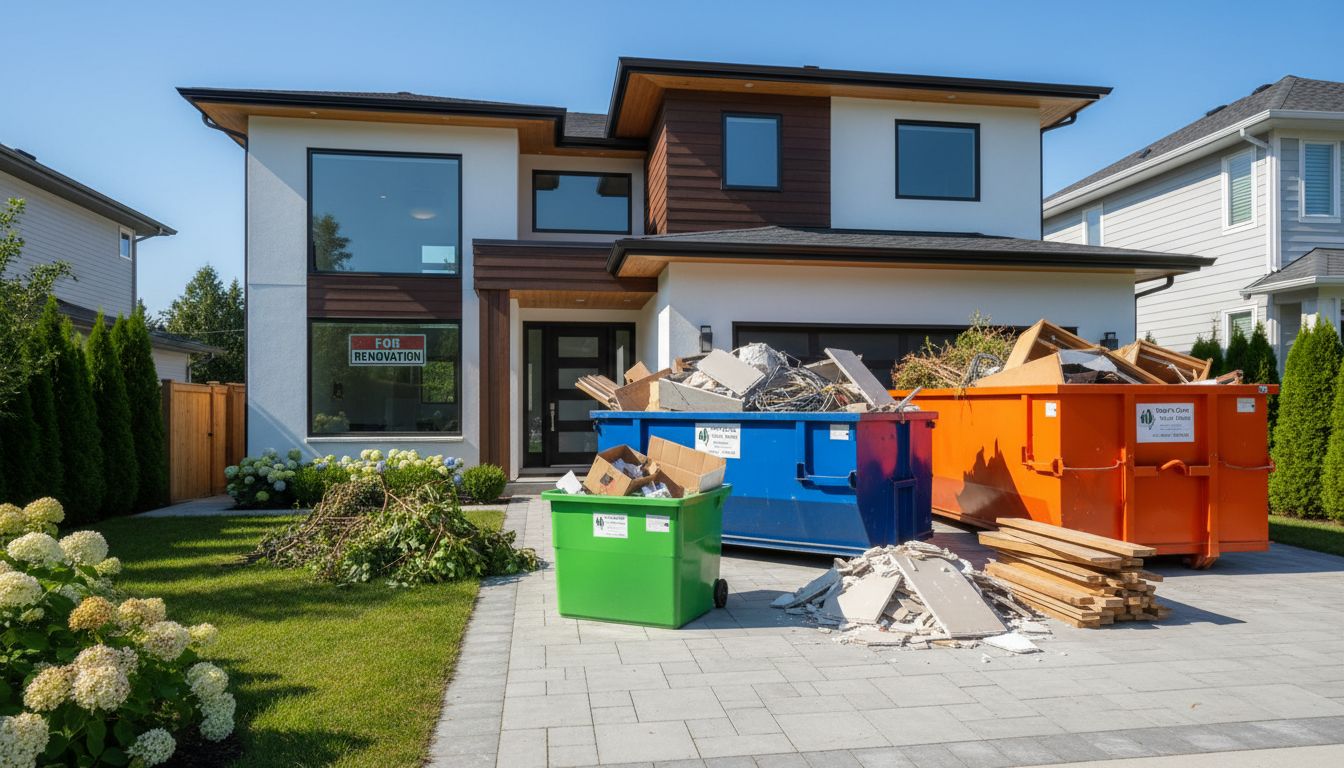
Choosing the appropriate dumpster size for a home renovation largely depends on the scale of the project. For smaller renovations, a 10 to 15-yard dumpster is often sufficient. This size can accommodate debris from minor kitchen updates or bathroom remodels.
However, if your project involves significant changes, such as tearing down walls or replacing flooring, a 20-yard dumpster may be more appropriate. This larger size can handle substantial waste volumes, ensuring you do not have to deal with overflow or additional rentals.
Assessing the volume of debris generated during your renovation will guide you in selecting the right size. It is always better to err on the side of caution; having a slightly larger dumpster can save you from the hassle of managing excess waste.
Factors Influencing Dumpster Rental Pricing
Several factors influence the pricing of dumpster rentals, including size, rental period, and location. Larger dumpsters typically come with higher rental costs, so it’s essential to choose one that aligns with your project needs.
The rental period is another crucial aspect. Most companies offer flexible rental periods, but extending your rental beyond the agreed time may incur additional fees. Understanding these factors allows you to budget effectively for your project and avoid unexpected expenses.
Additionally, local regulations may affect pricing. Some areas require permits for dumpster placement, which can add to the overall cost. It’s wise to check with your local waste management authority to ensure compliance and avoid fines.